Clocking Out, Clocking In: The Artists Winning at Music Without Quitting Their Day Jobs
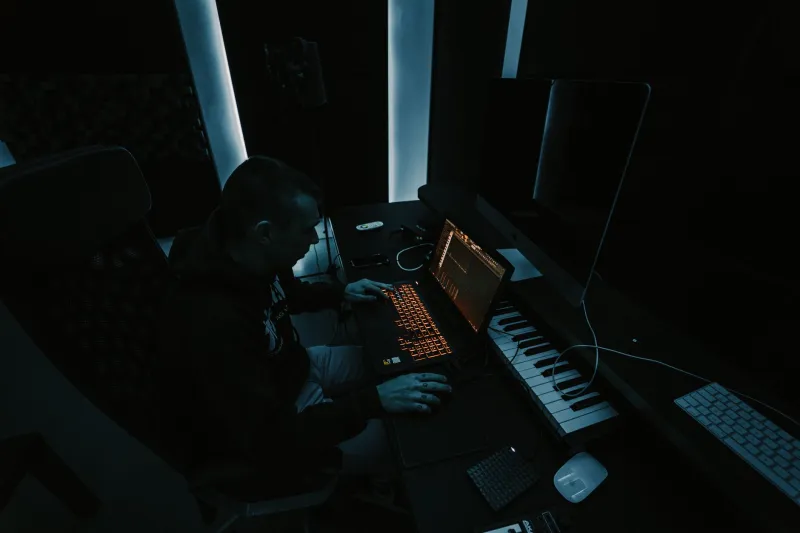
The 'quit everything and chase your dream' story is a great movie plot, but for a lot of working musicians, it's also a fast track to burnout and broke. A different playbook is gaining traction — one where the day job isn't the enemy of a music career but quietly one of its most important assets. These artists aren't waiting for permission to go full-time. They're building something more sustainable than that.
The Myth That Needs Retiring
Somewhere along the line, the music industry sold us a story: real artists sacrifice everything. The struggling musician — ramen noodles, a mattress on the floor, playing $50 bar gigs in hopes of getting discovered — got romanticized into an archetype. Suffering, we were told, was proof of commitment.
That story was always more useful to the industry than to the artists living it. Desperate musicians are easier to exploit. They'll sign bad deals because they need the advance. They'll tour until they're physically depleted because they can't afford to say no to a booking fee. The myth of total sacrifice kept a generation of talented people financially vulnerable and creatively exhausted.
The artists building real careers today are working from a different assumption: stability isn't the opposite of creativity. For a lot of them, it's the foundation of it.
What the Numbers Actually Look Like
Let's talk money for a second, because the finances of this approach are more interesting than most people realize.
An independent artist with a solid day job — let's say a UX designer in Austin, a teacher in Nashville, a nurse in Atlanta — has something their full-time-musician peers often don't: a financial cushion that allows them to make creative decisions based on artistic merit rather than immediate income need.
That means they can turn down a sync licensing deal that doesn't feel right. They can invest $2,000 in a proper recording session without panic. They can build a Patreon slowly and thoughtfully rather than desperately promoting it to a disengaged audience.
Some of these artists are generating serious music income on top of their salary — licensing fees, Bandcamp sales, streaming royalties, live shows, merchandise, teaching music online. When you stack those revenue streams on top of a stable base income, the total picture can look surprisingly healthy. We're talking about musicians pulling in an additional $40,000 to $100,000 annually from music while keeping their day jobs intact.
The day job isn't holding them back. It's giving them leverage.
The Creative Advantages Nobody Talks About
Here's something counterintuitive: artists with day jobs often produce more interesting work than their full-time musician counterparts. Not always, but often enough that it's worth examining why.
When music is your only income source, every creative decision carries financial weight. The pressure to release something commercially viable, to chase playlist placement, to produce content at a pace the algorithm rewards — all of that can quietly hollow out the artistic instincts that made the music worth listening to in the first place.
When music is your passion project — even a highly monetized one — those pressures exist at a different volume. You can afford to experiment. You can make the weird record you've been wanting to make. You can spend six months on an EP because you want it to be exactly right, not because you need the streaming revenue by Q3.
Time constraints, paradoxically, can sharpen creative focus. Many artists working late-night sessions after a full workday report that the limited hours force a kind of productive urgency. There's no procrastinating until inspiration strikes. You've got two hours. You make something.
Building in the Margins
The practical infrastructure of a dual-life music career looks different from the traditional model, but it's more achievable than most people assume.
Home studio setups — even modest ones — have made it possible to produce release-quality music at 11 PM in a spare bedroom. Social media scheduling tools mean you can plan a full week of content on Sunday afternoon and let it run while you're at the office. Platforms like DistroKid and TuneCore have removed the need for a label relationship to get music onto every major streaming platform.
The musicians winning at this are intentional about their time in a way that full-time artists sometimes aren't. They batch their creative work. They set weekly targets — one finished demo, one social post, one outreach email to a potential sync licensing client. They treat the music business side of their career with the same professionalism they bring to their day job, because they've learned that the two aren't as different as they look.
The Psychological Case for Keeping the Day Job
Beyond the finances and the creative freedom, there's a mental health argument here that deserves more attention.
When your entire sense of identity and security is wrapped up in whether your last single performed well, the emotional stakes of every release become almost unmanageable. A bad month of streaming numbers doesn't just feel disappointing — it feels like evidence that you made the wrong life choice. That kind of pressure produces anxiety, not art.
Artists with day jobs have a built-in identity buffer. They're a musician and something else. A slow release cycle doesn't threaten their rent. A bad show doesn't spiral into an existential crisis. They can take a month off from releasing music without the whole enterprise collapsing.
That psychological stability tends to produce more consistent creative output over time. The marathon runner, it turns out, often outlasts the sprinter.
What 'Making It' Actually Means
The dual-life artist is quietly redefining what success in music looks like — and honestly, the new definition is more compelling than the old one.
It's not about a record deal or a Spotify editorial playlist or a major tour. It's about building something sustainable: an audience that genuinely connects with your work, a catalog you're proud of, revenue streams that grow year over year, and enough creative freedom to keep making music on your own terms for as long as you want.
That's not settling. That's winning.
At Operation Phoenix Records, we celebrate artists at every stage of their journey — including the ones building in the margins, clocking out of one career and immediately clocking into another. The late-night sessions, the careful budgeting, the refusal to let financial pressure dictate creative decisions — that's not compromise. That's strategy. And it's working.