Disappearing Acts: Why the Smartest Artists Are Vanishing on Purpose
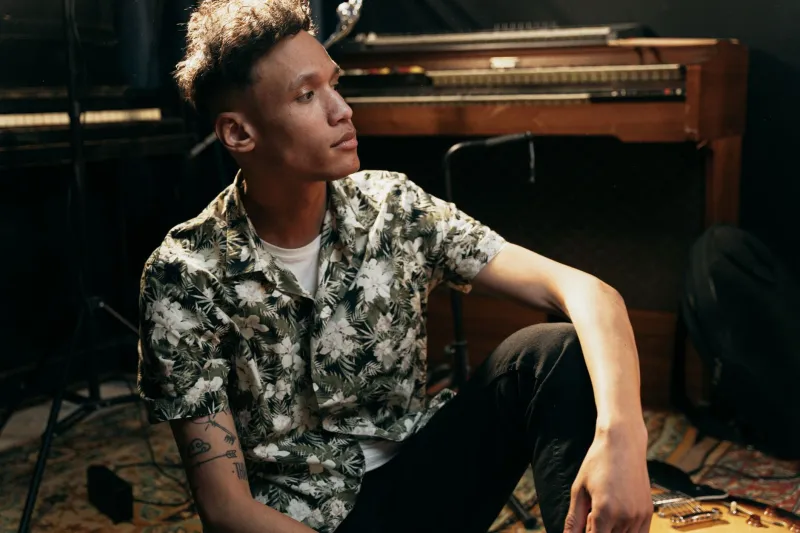
There's a certain kind of panic that sets in when a beloved artist goes quiet. Fans refresh their socials. Blogs speculate. The machine gets nervous. But what if the silence was the plan all along?
In an industry that runs on momentum — on release schedules, algorithmic consistency, and the relentless pressure to stay relevant — a growing number of artists are doing something that looks, on the surface, like career suicide. They're walking away. Deliberately. Strategically. And when they come back, they're often coming back louder than ever.
The Myth of the Momentum Trap
For decades, the conventional wisdom in the music industry was simple: never stop moving. Label reps preached it. Managers enforced it. The thinking went that the moment you stepped off the treadmill, the audience would forget you existed.
That logic made sense in a pre-streaming world, where radio play and physical sales depended on staying in constant rotation. But the landscape has shifted dramatically, and some artists are starting to realize that the old rules don't just fail to apply — they actively work against creative longevity.
SZA's path is a case study in strategic patience. After her debut Ctrl dropped in 2017 and reshaped the emotional vocabulary of R&B, fans waited over five years for her follow-up, SOS. The internet buzzed with concern. Was she okay? Was the label holding her back? Turned out, the delay was largely intentional — a period of creative rebuilding that allowed her to arrive on her own terms with an album that felt deeply, unmistakably hers. SOS debuted at number one and stayed there for ten weeks. Silence, it turned out, was the strategy.
The Weeknd has played a similar game, using the space between projects to reinvent his sonic identity almost completely. Each return has felt like an event rather than an obligation, precisely because he resists the pressure to be everywhere at once.
What Producers Are Actually Saying
Talk to producers who work with independent artists, and a consistent theme emerges: the album cycle, as traditionally structured, is creatively corrosive.
"There's this unspoken expectation that you drop something, you tour it, you start the next one before the last one even finds its audience," says one Nashville-based producer who works primarily with emerging singer-songwriters. "Artists are writing from exhaustion. They're drawing from an empty well and wondering why the work feels hollow."
The burnout is real, and it's not just a personal problem — it shows up in the music. Albums that feel rushed. Lyrics that lack specificity. Production choices that seem designed to chase trends rather than establish identity.
Contrast that with what happens when an artist genuinely steps back. Time creates distance from past work, which allows for honest self-assessment. New life experiences filter in. The artist stops writing about being an artist and starts writing about being a human being again. The work gets richer.
"I took eight months off after my second EP and just lived," says an indie folk artist based out of Austin who asked to remain anonymous while her next project is in development. "I traveled, I read, I had relationships. When I came back to the studio, I had something to say that wasn't just about the industry eating me alive. The songs were better. Every single one of them."
The Mental Health Angle Nobody Wants to Talk About
Beyond the creative calculus, there's a more fundamental conversation happening about what relentless output does to a person. The mental health crisis in the music industry is well-documented but still largely treated as a side note rather than a structural problem.
Artists who have publicly discussed taking intentional breaks — from Adele's extended silences between albums to Frank Ocean's near-mythological disappearances — often frame the time away in terms of psychological survival rather than strategic branding. The two things aren't mutually exclusive, but the industry has historically been more comfortable with the latter framing.
What's changing is that younger artists, particularly those who came up in the era of social media and parasocial pressure, are increasingly vocal about protecting their mental space as a prerequisite for making good work. They're not apologizing for it. They're owning it.
How Independent Artists Are Leading the Way
Here's the thing about the major-label world: even when stars like SZA or The Weeknd take extended breaks, there's still an infrastructure around them managing the narrative. Publicists spin the silence. Labels time announcements. The pause is real, but it's also managed.
For independent artists, the calculus is different — and in some ways, more honest. Without a label breathing down their neck, indie musicians have the freedom to disappear entirely and return without a corporate machine to soften the edges of their absence.
Bands on the DIY circuit have been doing this for years. A project goes on hiatus. Members live their lives. They reconvene when they have something worth saying. The audience that cares enough sticks around, and the work that emerges from that organic process tends to carry a weight that scheduled releases rarely match.
Streaming has paradoxically made this more viable. Older catalogs stay discoverable. New listeners find Ctrl in 2022 and are primed for SOS without needing to have been there from the beginning. The back catalog does the maintenance work while the artist rests.
Coming Back Different
The most compelling argument for the intentional break isn't strategic — it's artistic. The artists who return after genuine time away tend to come back changed in ways that are audible. There's a specificity to the writing, a confidence in the production choices, a refusal to play it safe that you simply can't manufacture on a deadline.
Phoenix moments, in the truest sense. Not a comeback from failure, but a return from deliberate stillness — arriving with something to prove and the clarity to prove it.
The industry will keep pushing for content. Algorithms will keep rewarding consistency. But the artists who are willing to resist that pressure, to trust their audience enough to wait, and to trust themselves enough to go quiet when the well runs dry — those are the ones building careers that outlast any single album cycle.
Sometimes the most powerful thing you can release is nothing at all. For a while.